
Rilis Berita
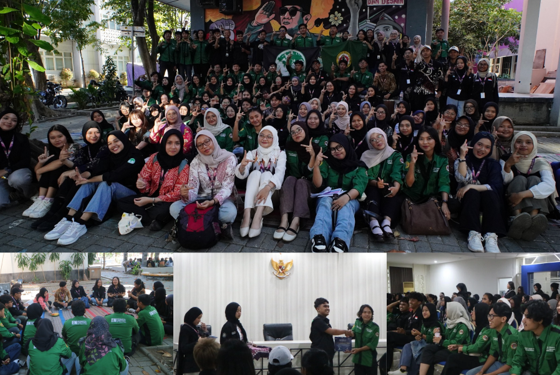
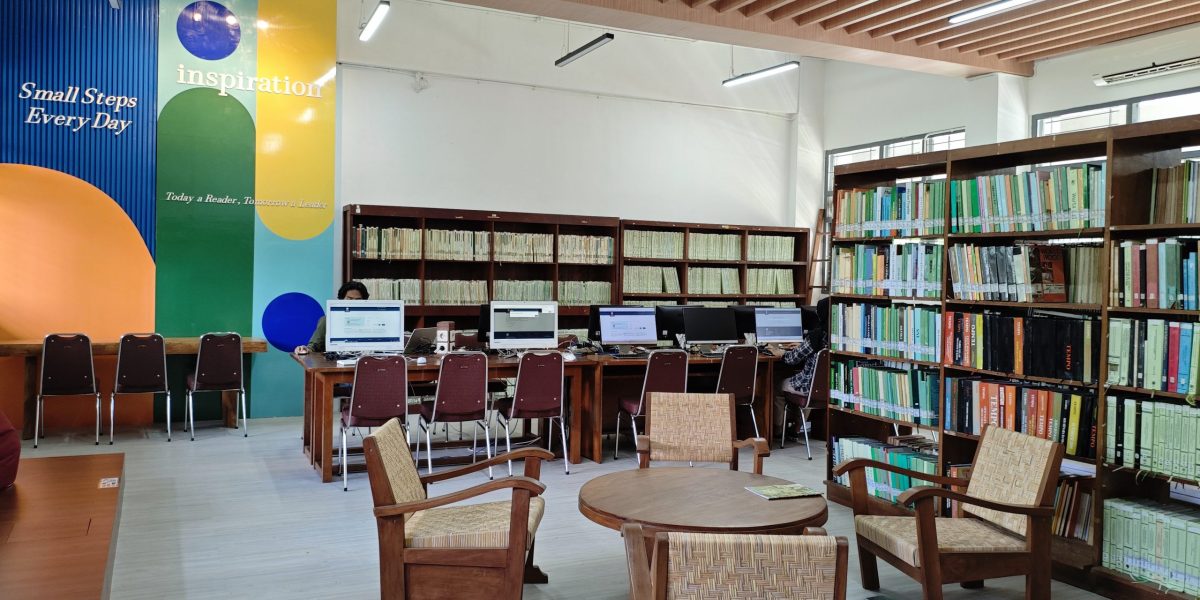
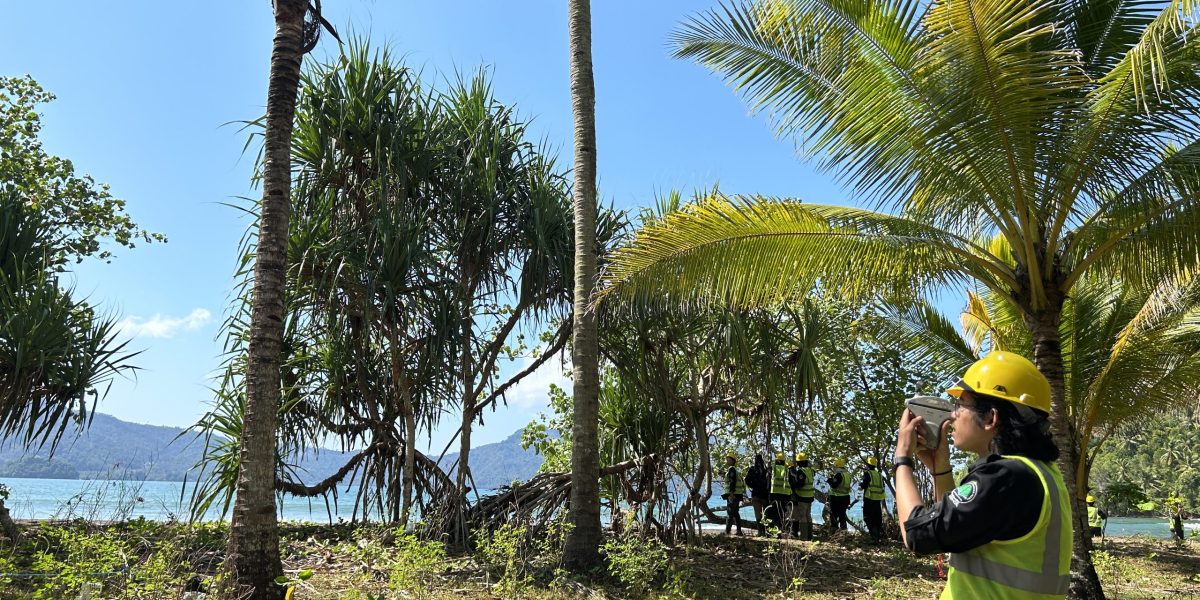
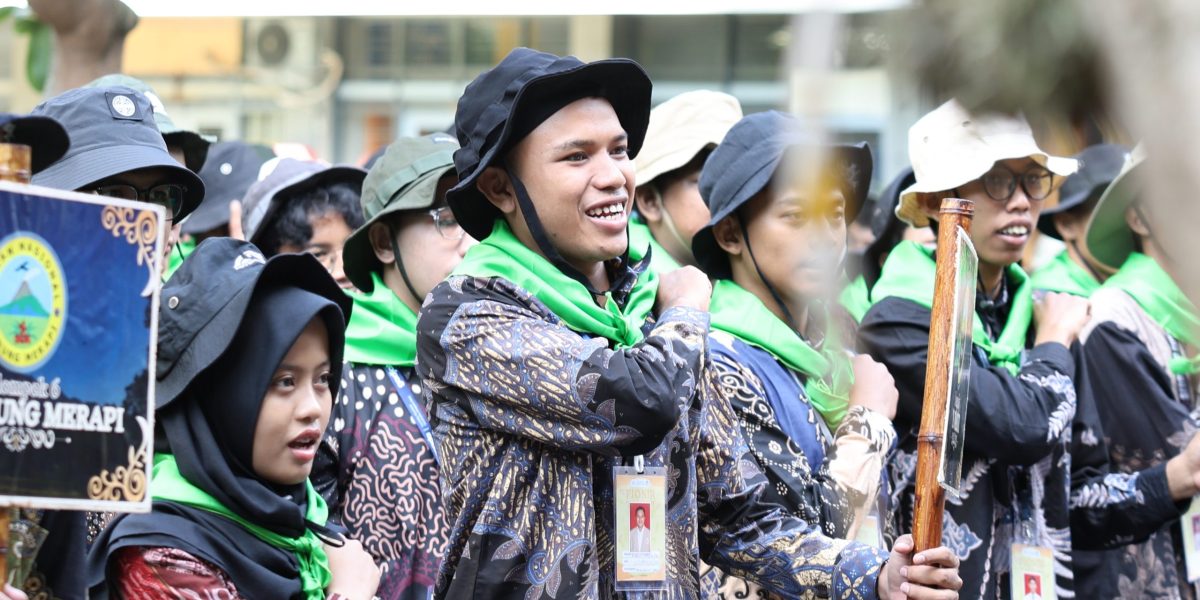
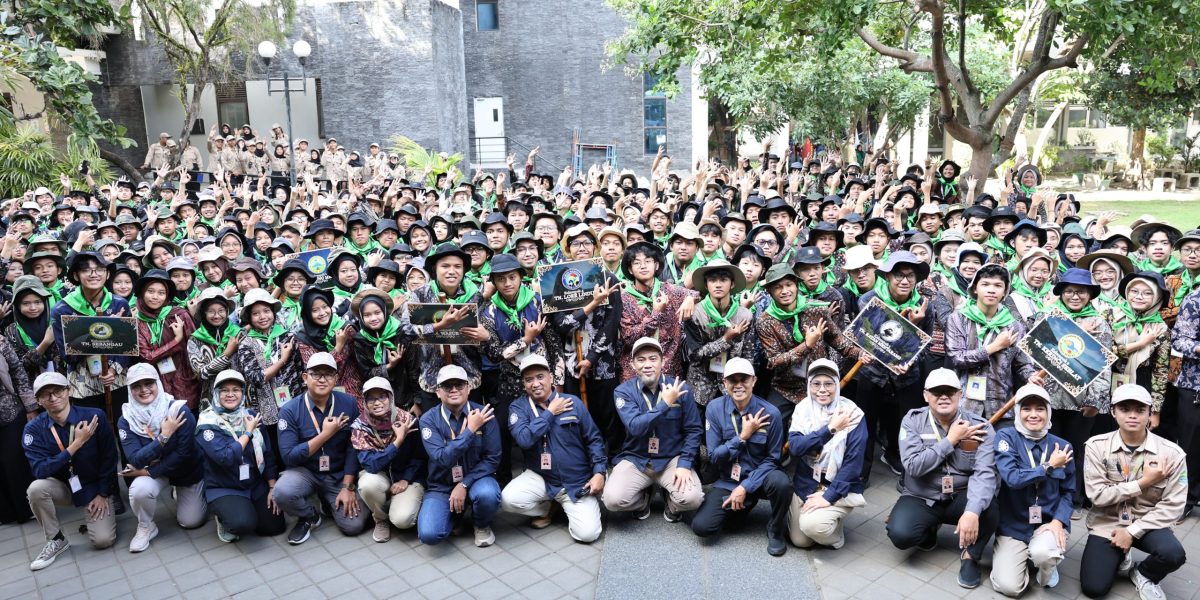
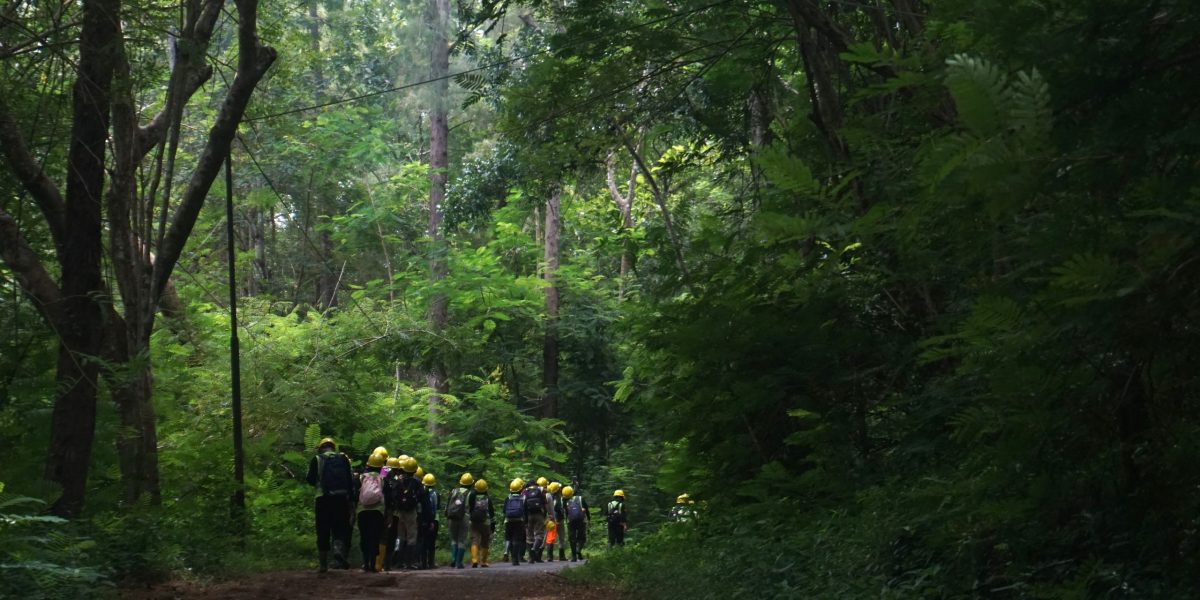
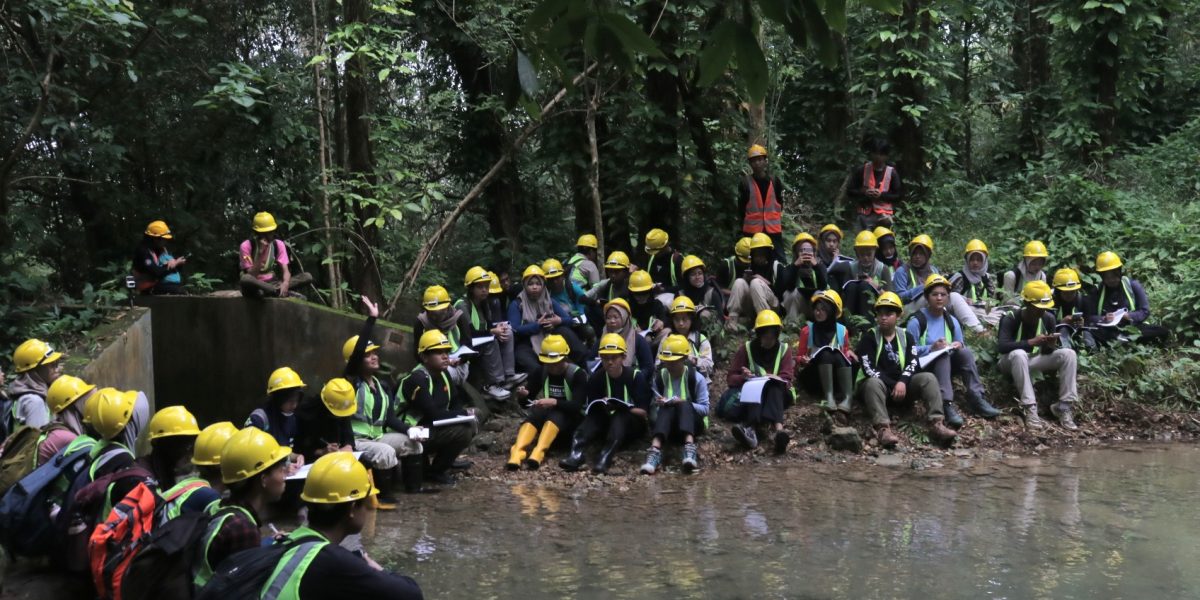
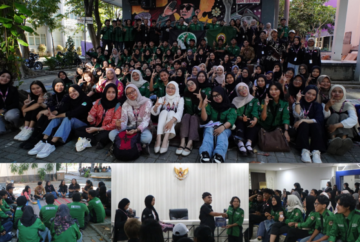
Family of Forest Resource Conservation (FORESTATION) Fakultas Kehutanan Universitas Gadjah Mada melaksanakan rangkaian kegiatan Studi Banding, Jelajah Konservasi, dan Kunjungan Instansi pada 23–27 Agustus 2026 di Jawa Timur dan Bali. ...
Baca Selengkapnya
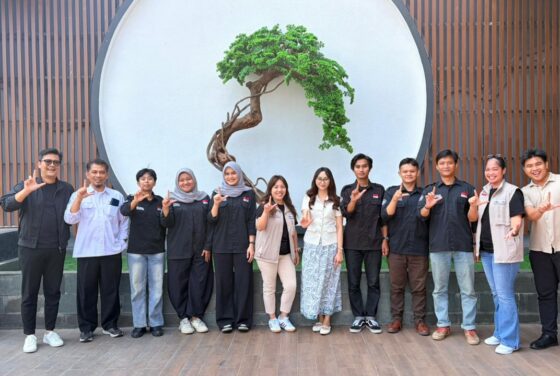
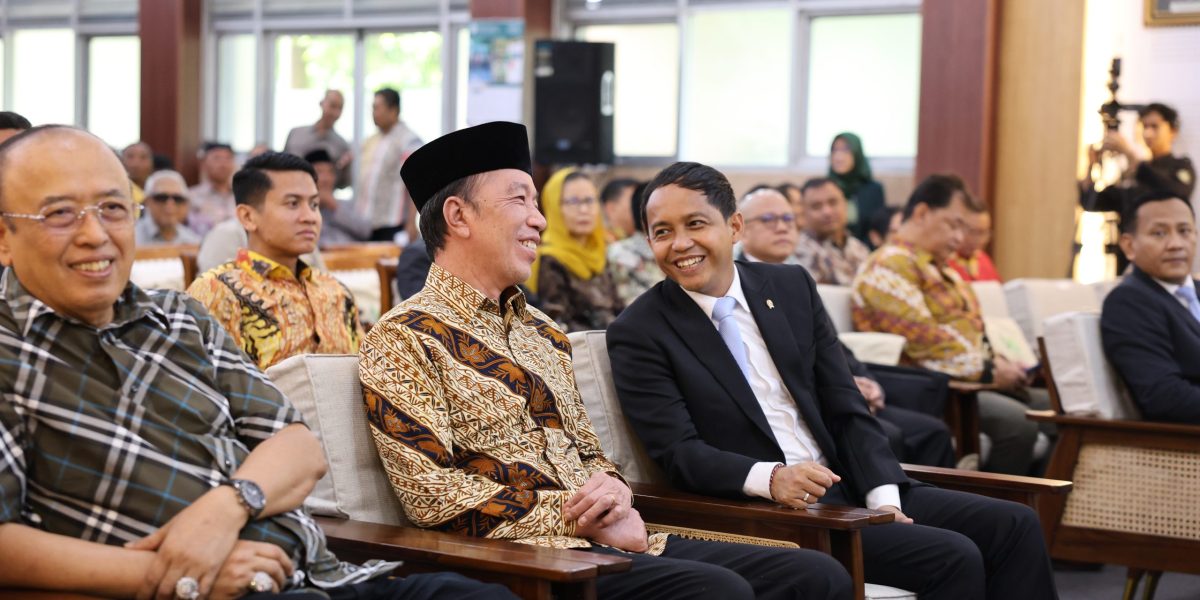
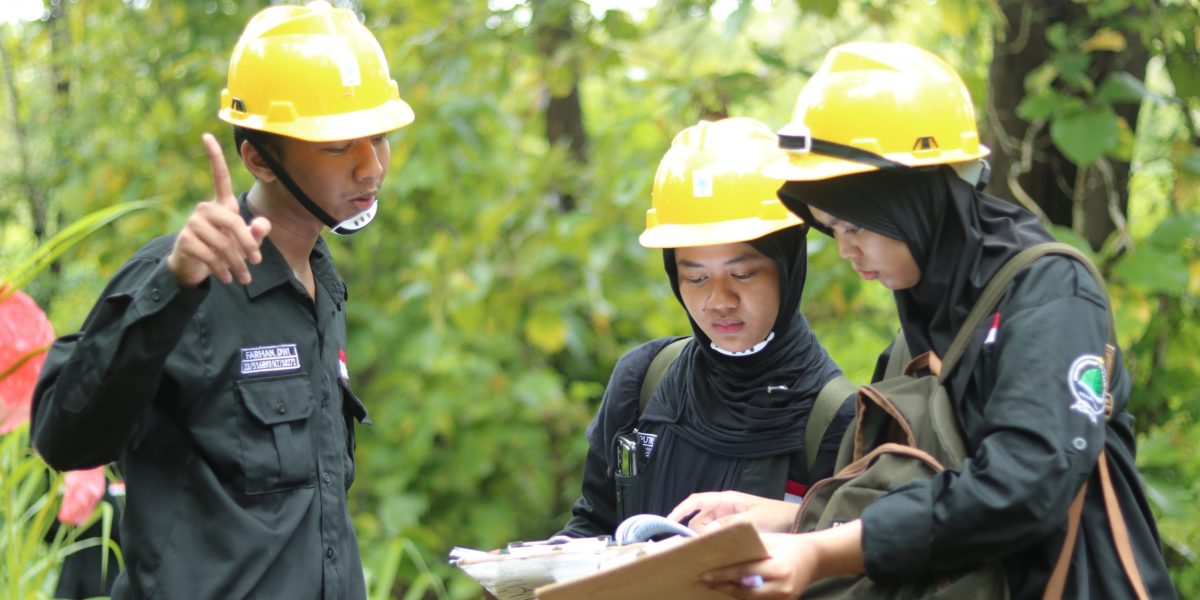
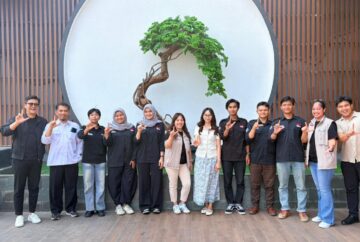
Yogyakarta, [31/8] – Sebanyak enam mahasiswa Fakultas Kehutanan Universitas Gadjah Mada (UGM) mengikuti Program Beasiswa DASSA selama periode Agustus 2025 hingga Juli 2026. Tidak hanya memberikan dukungan finansial sebesar Rp1 ...
Baca Selengkapnya
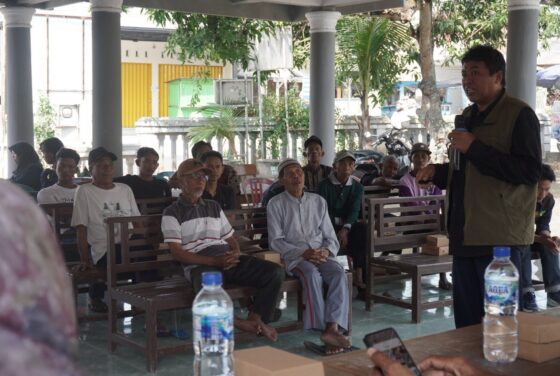
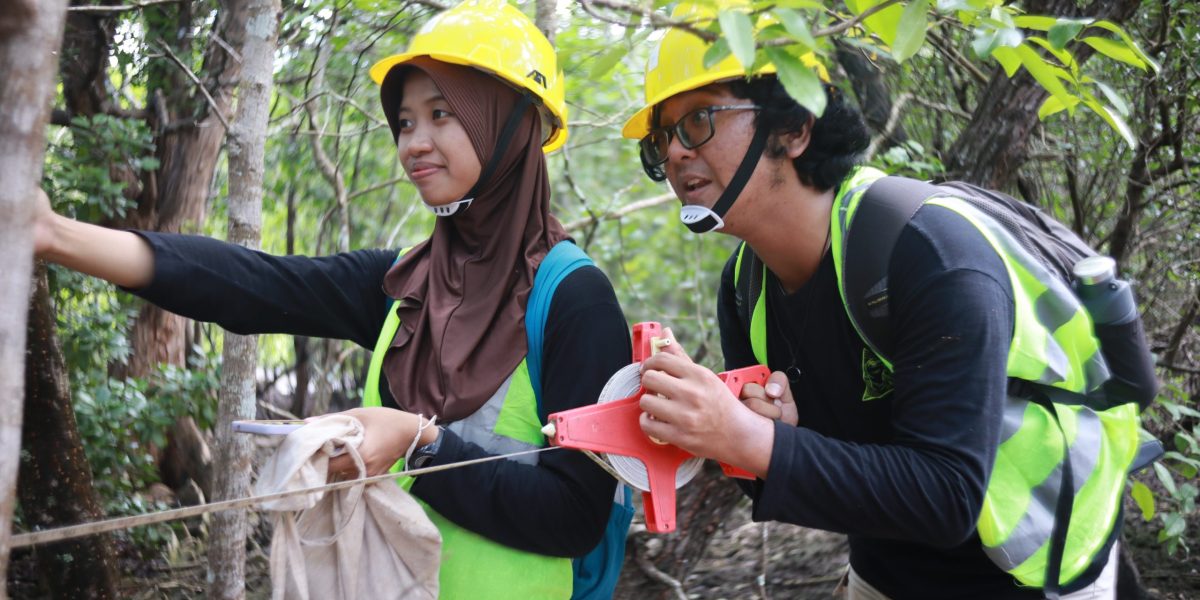
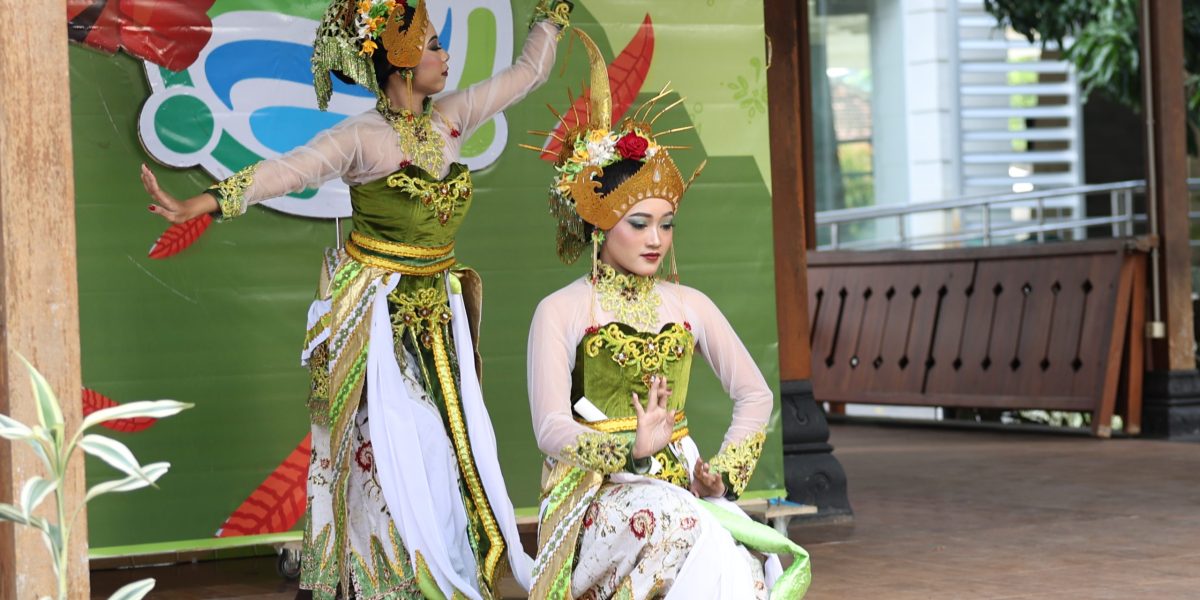
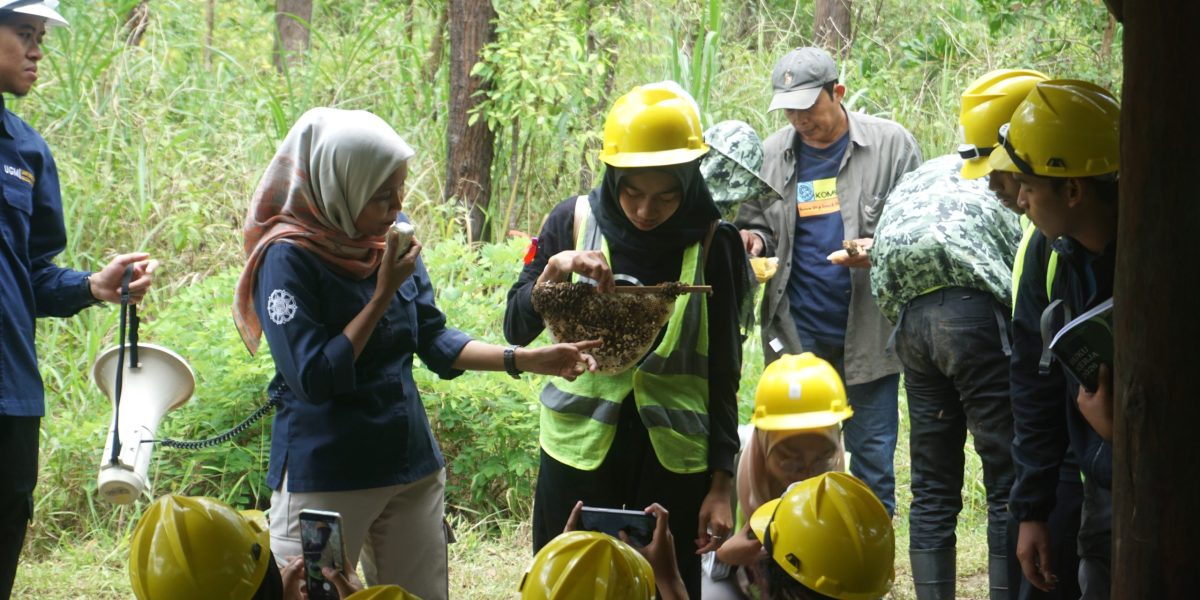
BLORA/NGAWI (01/08/2026) – Tim Implementing Partner (IP) Fakultas Kehutanan UGM melaksanakan sosialisasi penanaman dan penyampaian arah kebijakan pengelolaan KHDTK Diklathut UGM Getas. Kegiatan tersebut menjadi salah satu tahapan persiapan sebelum ...
Baca Selengkapnya
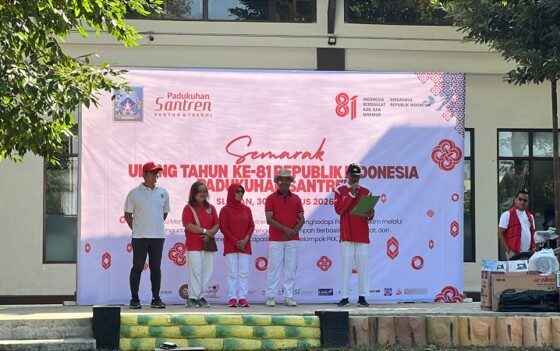
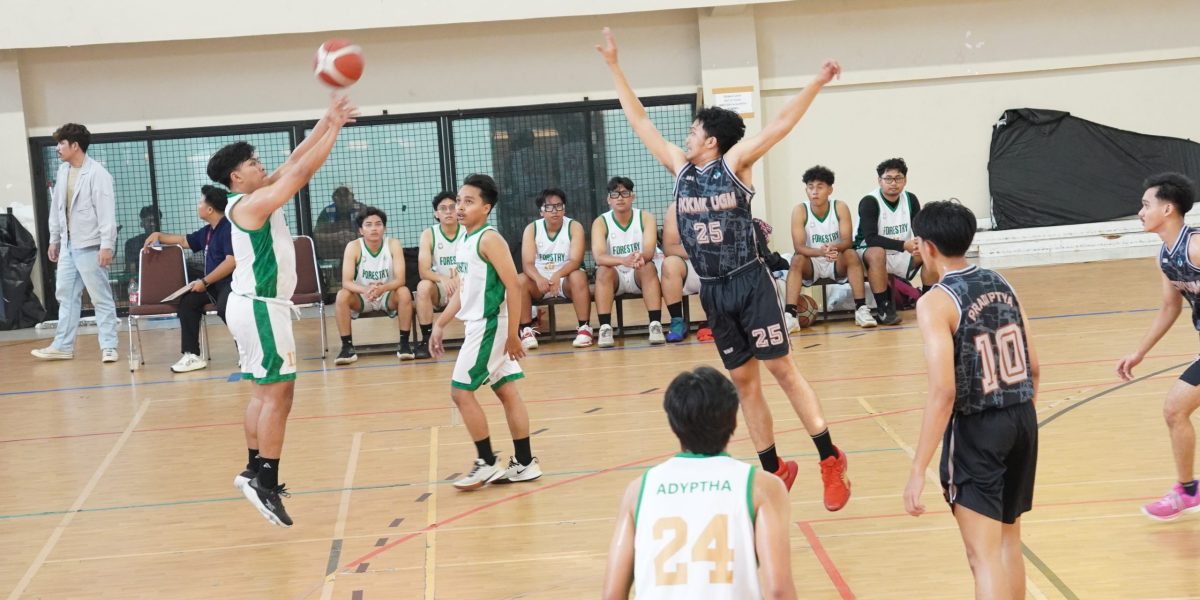
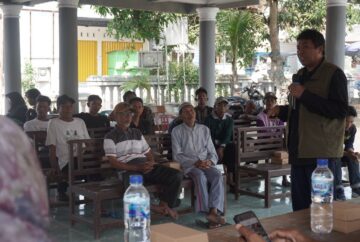
Sleman, 31 Agustus 2026 — Fakultas Kehutanan Universitas Gadjah Mada (UGM) turut mendukung pelaksanaan Lomba Semarak HUT RI ke-81 di Padukuhan Santren yang diselenggarakan pada Selasa, 25 Agustus 2026, di ...
Baca Selengkapnya
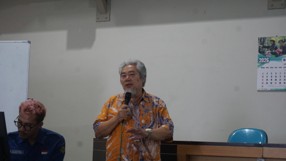
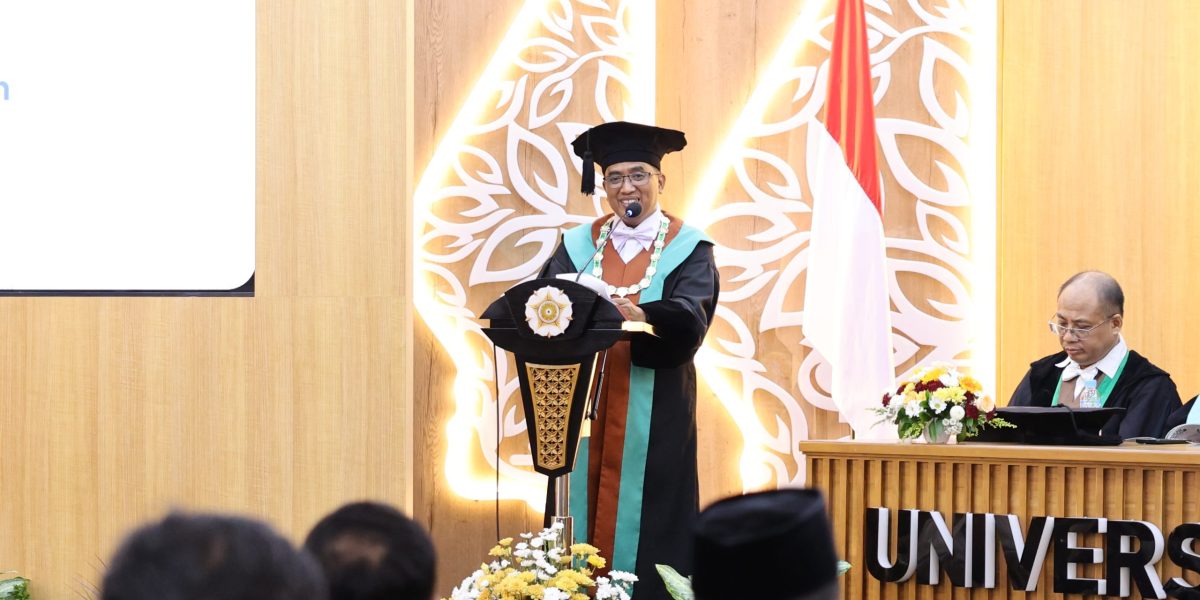
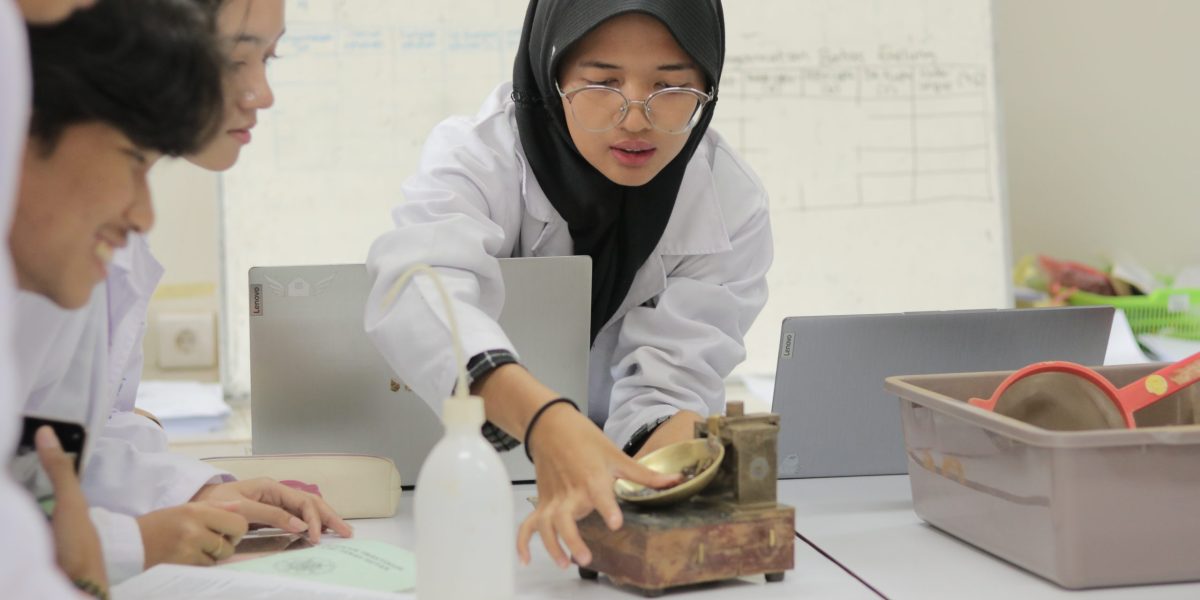
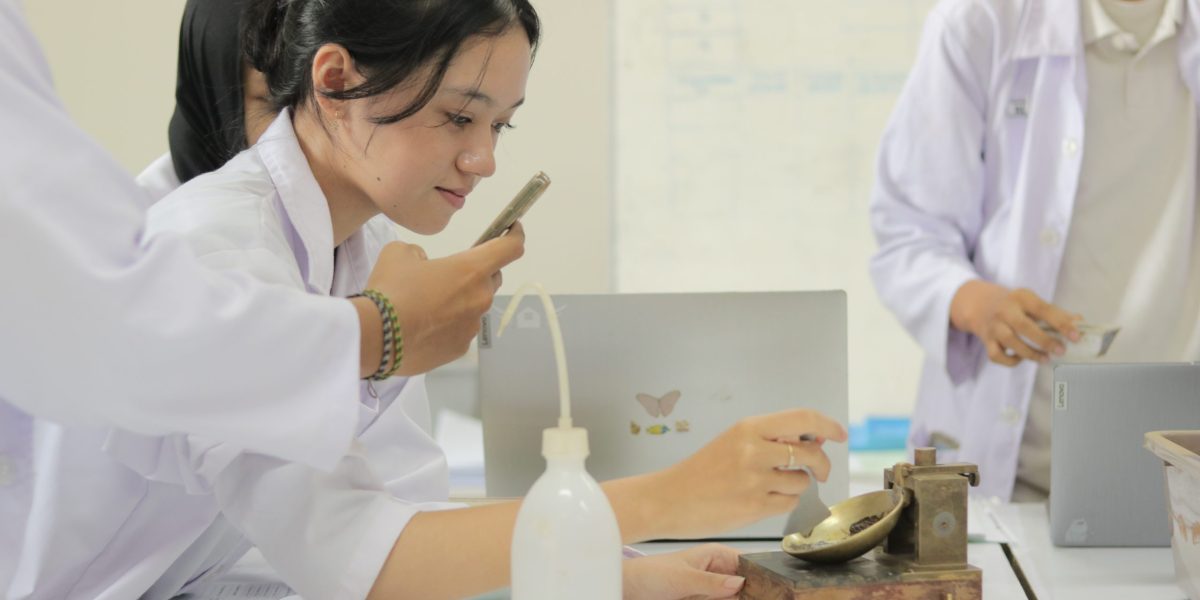
Yogyakarta – Departemen Silvikultur, Fakultas Kehutanan Universitas Gadjah Mada (UGM), melalui Himpunan Mahasiswa Budidaya Hutan (HIMABA), menyelenggarakan Bazar Skripsi 2026 dengan tema “Rooting Knowledge, Growing Innovation: Kupas Tuntas Laboratorium dan ...
Baca Selengkapnya
Agenda
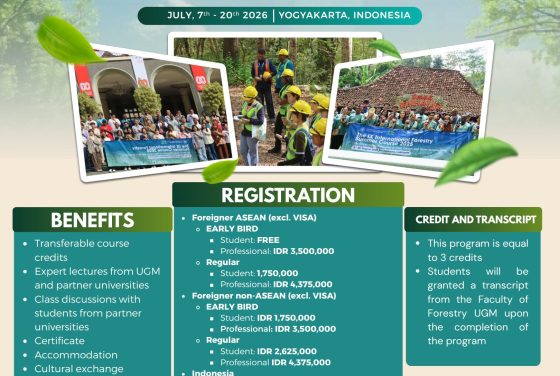
Under the theme "Forest for Life: Managing Ecosystem Services in a Changing Climate", we warmly invite students and professionals from around the world to join us at Universitas Gadjah Mada, ...
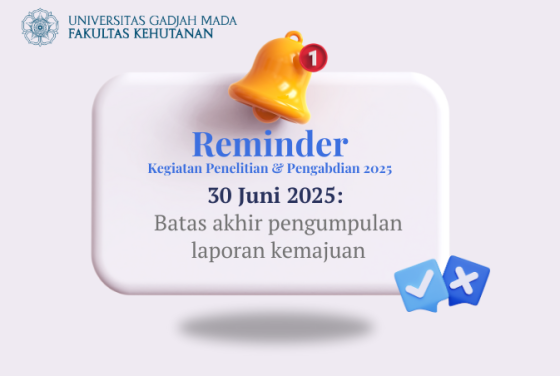
Diberitahukan kepada Bapak/Ibu Ketua Kegiatan Penelitian dan Pengabdian Tahun 2025 Fakultas Kehutanan UGM, sesuai dengan tata waktu Penelitian dan Pengabdian kepada Masyarakat tahun 2025 pada tanggal 30 Juni 2025 Bapak/Ibu ...
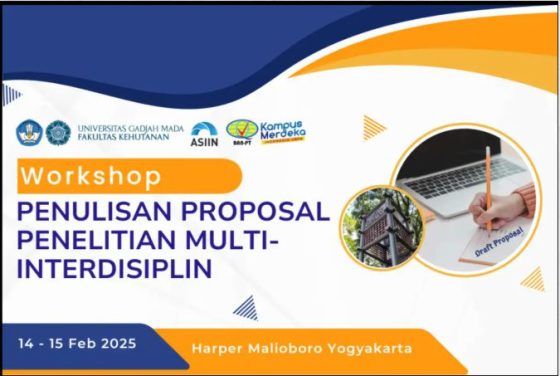
Workshop Penulisan Proposal Penelitian Multi-interdisiplin
14 February 2025Pengumuman
Kami informasikan bahwa berdasarkan tata waktu kegiatan Penelitian dan Pengabdian Fakultas Kehutanan UGM tahun anggaran 2026, melalui surat ini kami mohon kepada Ketua Peneliti dan Ketua Kegiatan Pengabdian kepada Masyarakat ...
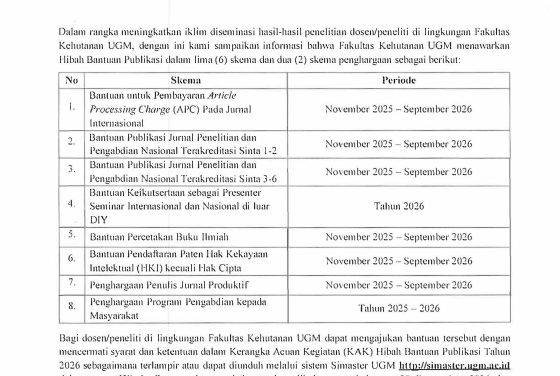
Tawaran Bantuan Publikasi Tahun 2026
20 February 2026
Kepada seluruh Staf Pendidik Fakultas Kehutanan Universitas Gadjah Mada, dalam meningkatkan iklim diseminasi hasil-hasil penelitian di lingkungan Fakultas Kehutanan Universitas Gadjah Mada, dengan ini kami sampaikan informasi bahwa Fakultas Kehutanan ...
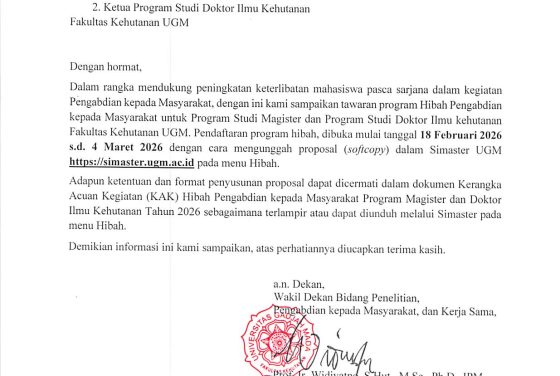
Hibah Pengabdian Kepada Masyarakat Program Studi Doktor dan Magister Tahun Anggaran 2026
18 February 2026
Link Dokumen Hibah: Download
Beasiswa dan Lowongan
Dear colleagues, The Government of Canada, through EduCanada has recently opened applications for the Canada-ASEAN Scholarships and Educational Exchanges for Development (SEED). As you may know, this is a scholarship ...
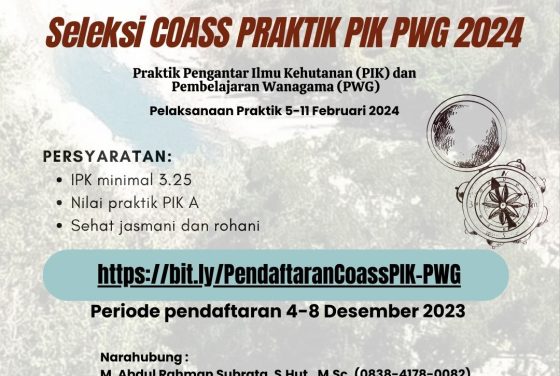
Seleksi Co Ass Praktik PIK PWG 2024
04 December 2023
[ Seleksi Co Ass Praktik PIK PWG 2024 ] Persyaratan: 1. IPK minimal 3.25 2. Nilai Praktik PIK: A 3. Sehat jasmani dan rohani Periode Pendaftaran mulai tanggal 4 s.d ...
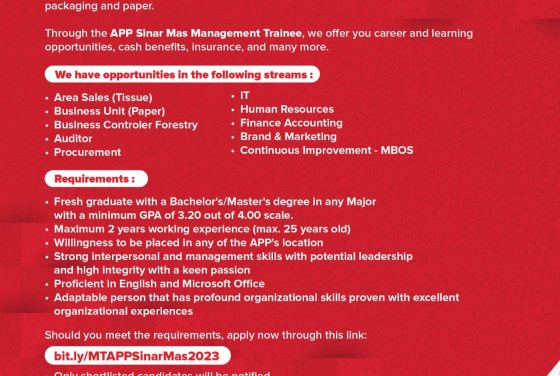
Young Talent Program APP Sinar Mas Management Trainee
09 February 2023
Through The APP Sinar Mas Management Trainee, we offer you career and learning opportunities, cash benefits, insurance, and many more.