


Rilis Berita
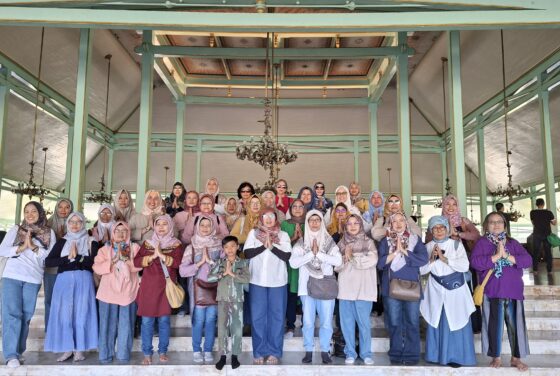
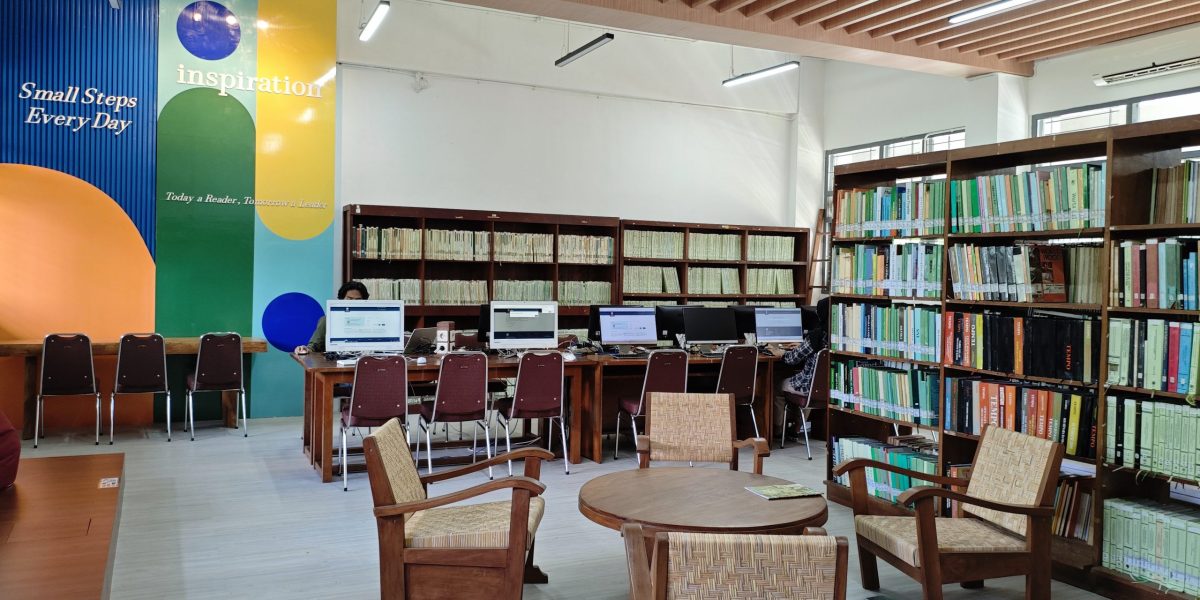
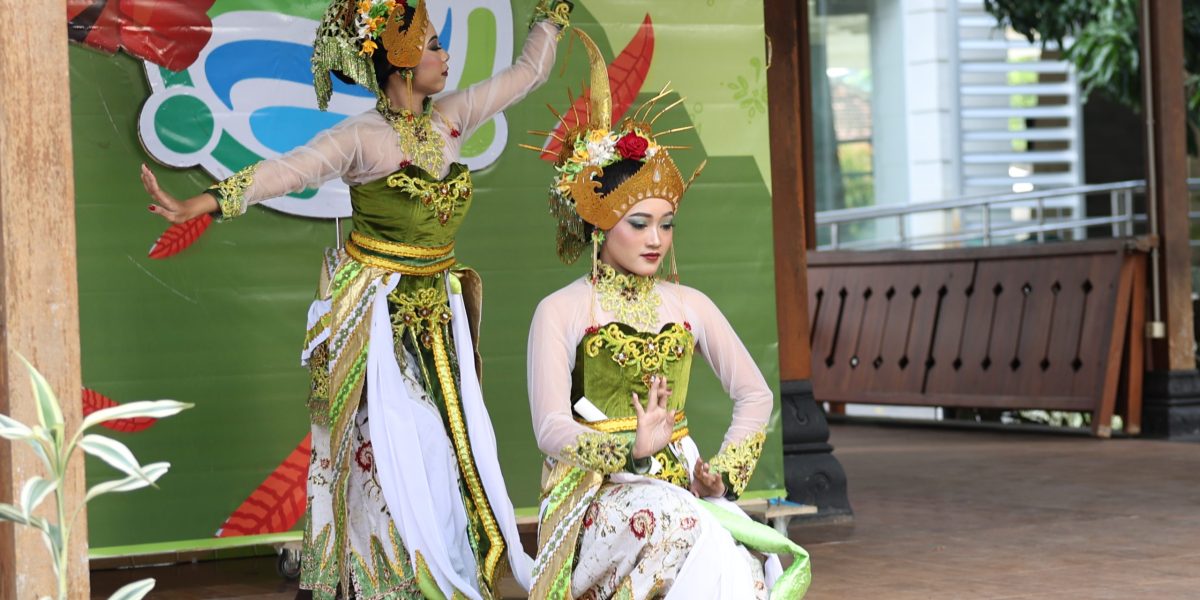
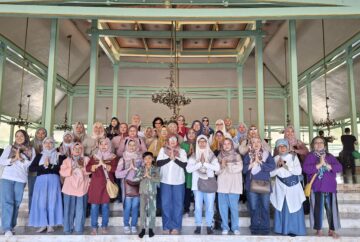
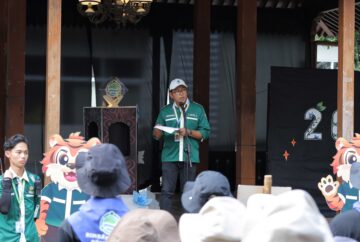
Solo – Dharma Wanita Persatuan Fakultas Kehutanan Universitas Gadjah Mada (UGM) menggelar kegiatan capacity building melalui wisata budaya dan religi di Kota Solo pada Sabtu (25/7). Diikuti sekitar 40 peserta, ...
Baca Selengkapnya
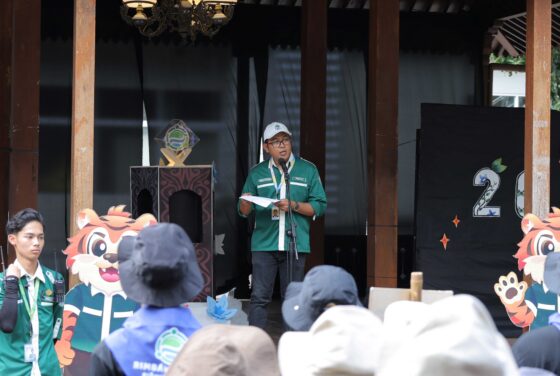
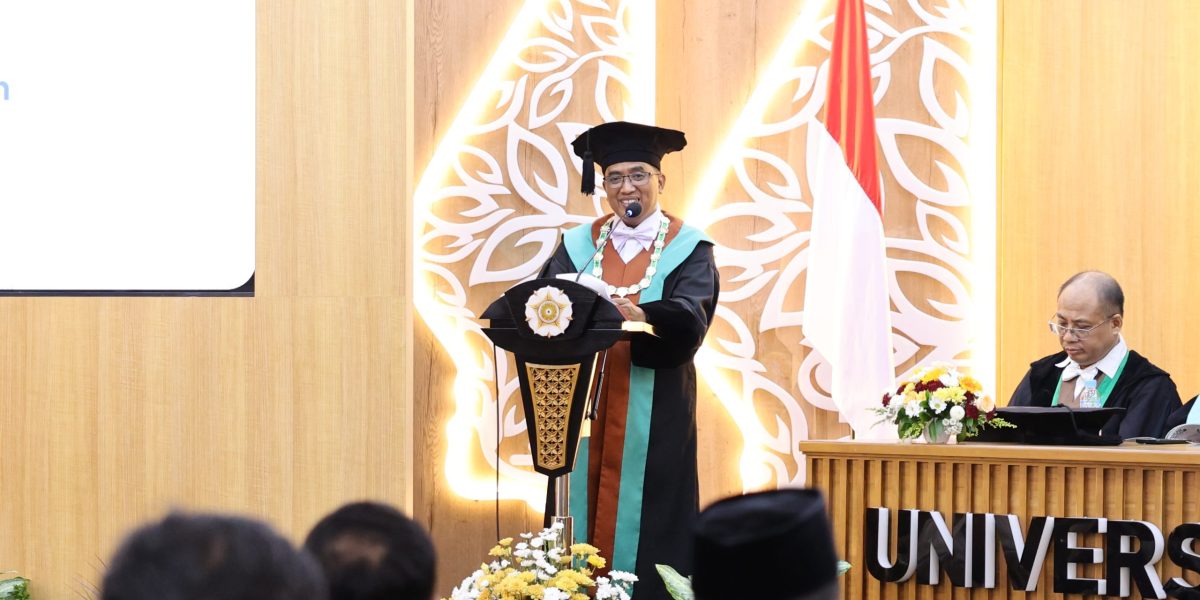
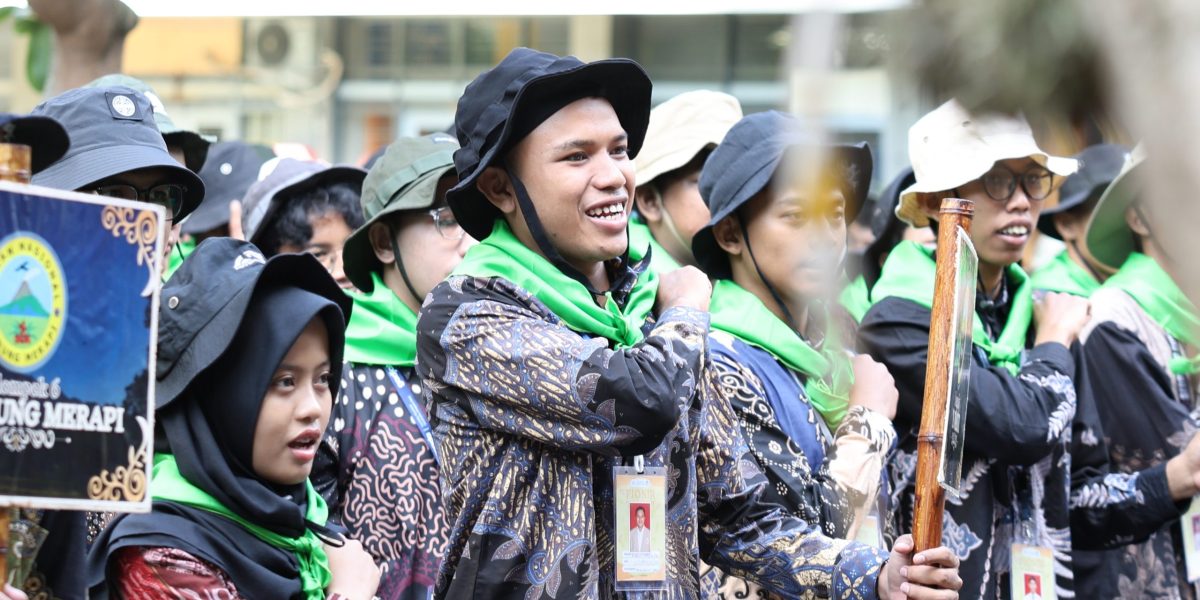
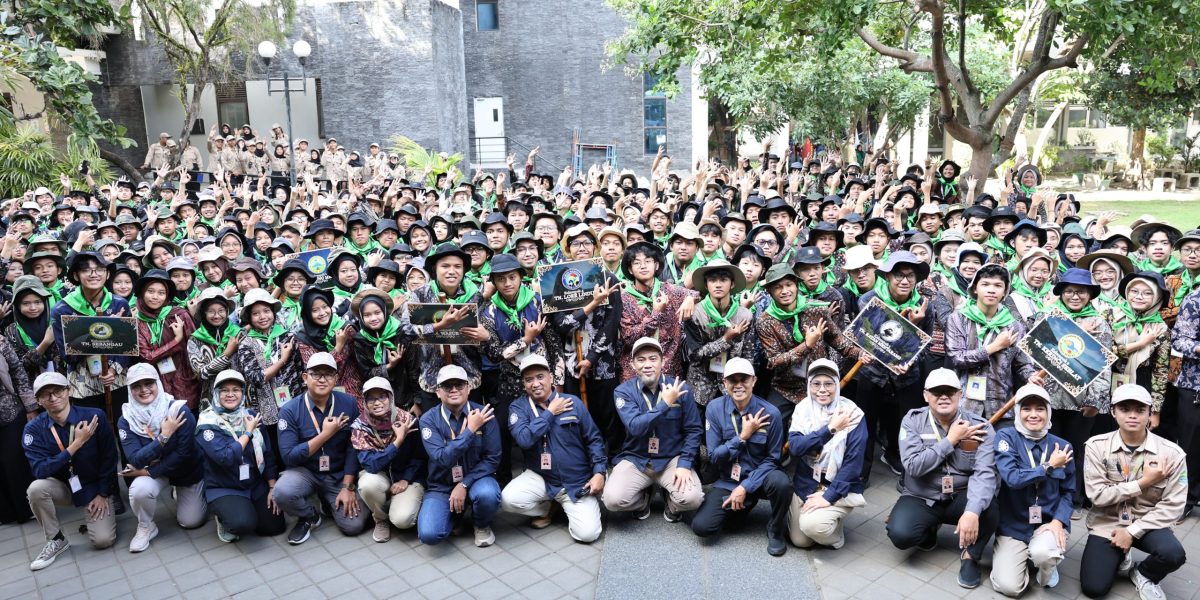
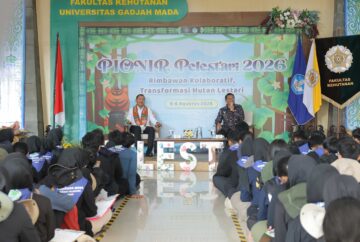
Yogyakarta, 6 Agustus 2026 – Fakultas Kehutanan Universitas Gadjah Mada menyelenggarakan kegiatan Penutupan Pionir Pelestari 2026 pada Kamis (6/8) sebagai penanda berakhirnya rangkaian kegiatan pengenalan dan pembinaan bagi mahasiswa baru ...
Baca Selengkapnya
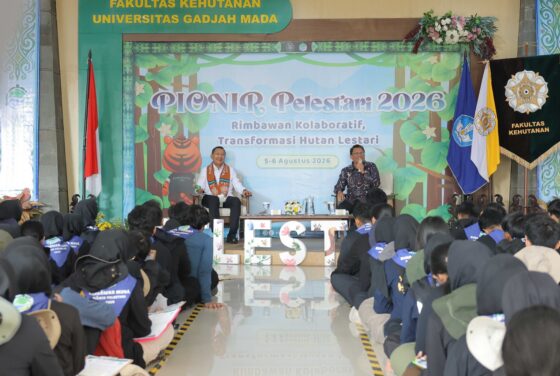
Sambut Wakil Menteri Kehutanan RI, Rimbawan Muda Jalani Hari Kedua PIONIR Pelestari 2026 Penuh Makna
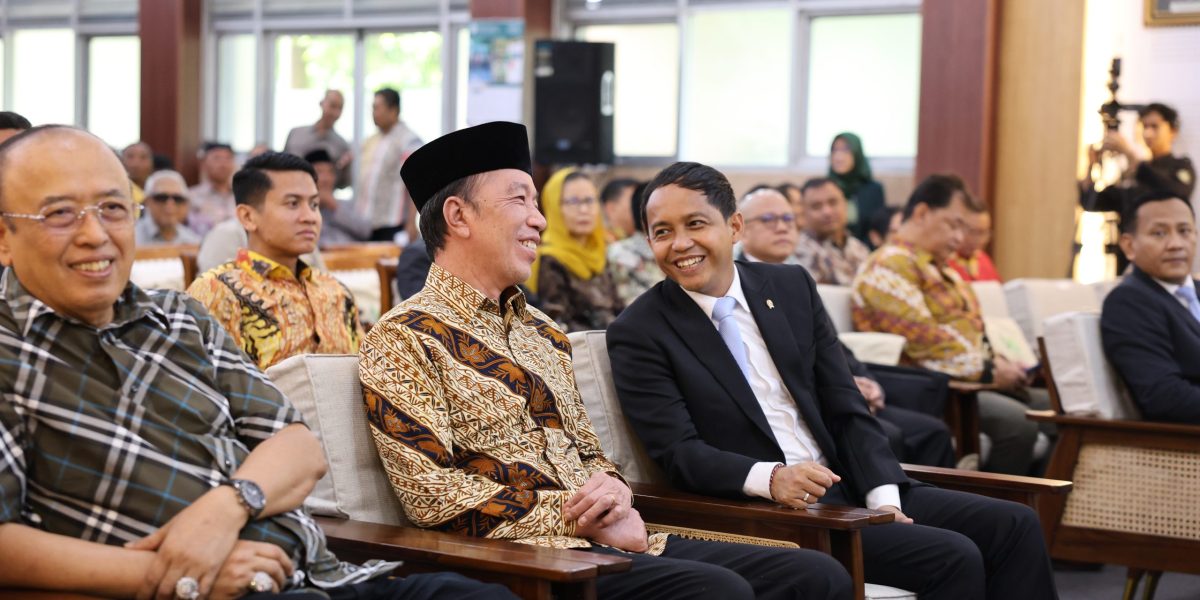
PIONIR Pelestari 2026 memasuki hari kedua pelaksanaannya pada Kamis, 6 Agustus 2026, bertempat di Fakultas Kehutanan Universitas Gadjah Mada (UGM). Rangkaian hari kedua ditandai dengan kehadiran Wakil Menteri Kehutanan Republik ...
Baca Selengkapnya
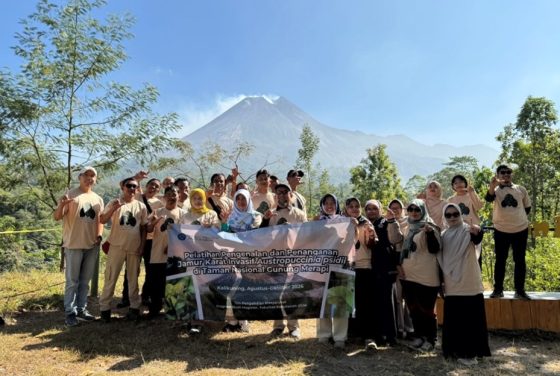
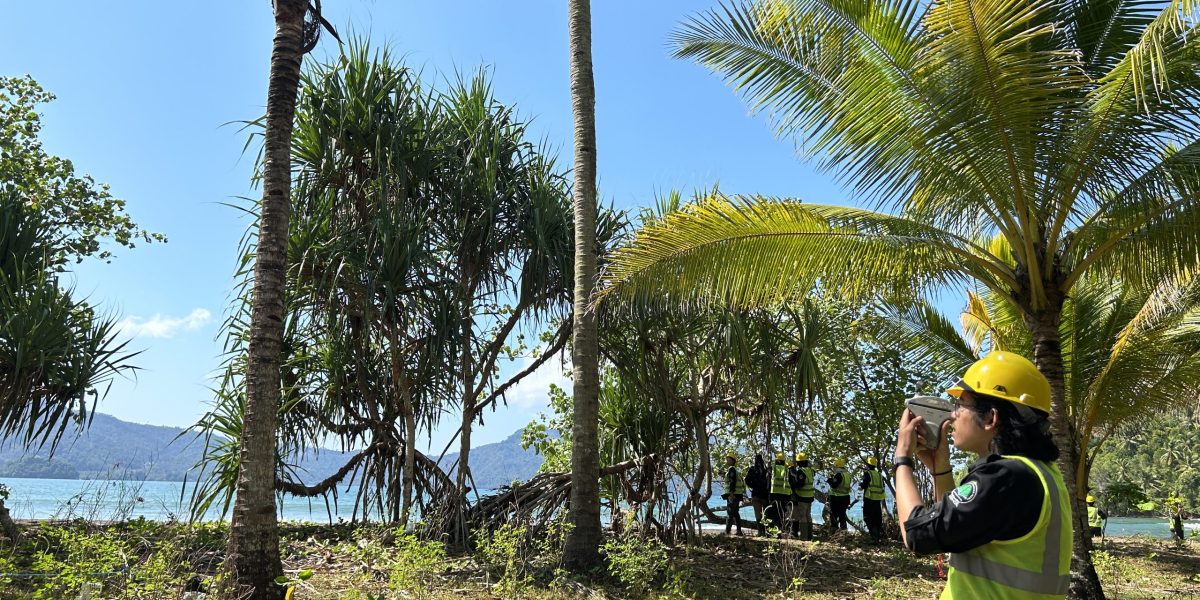
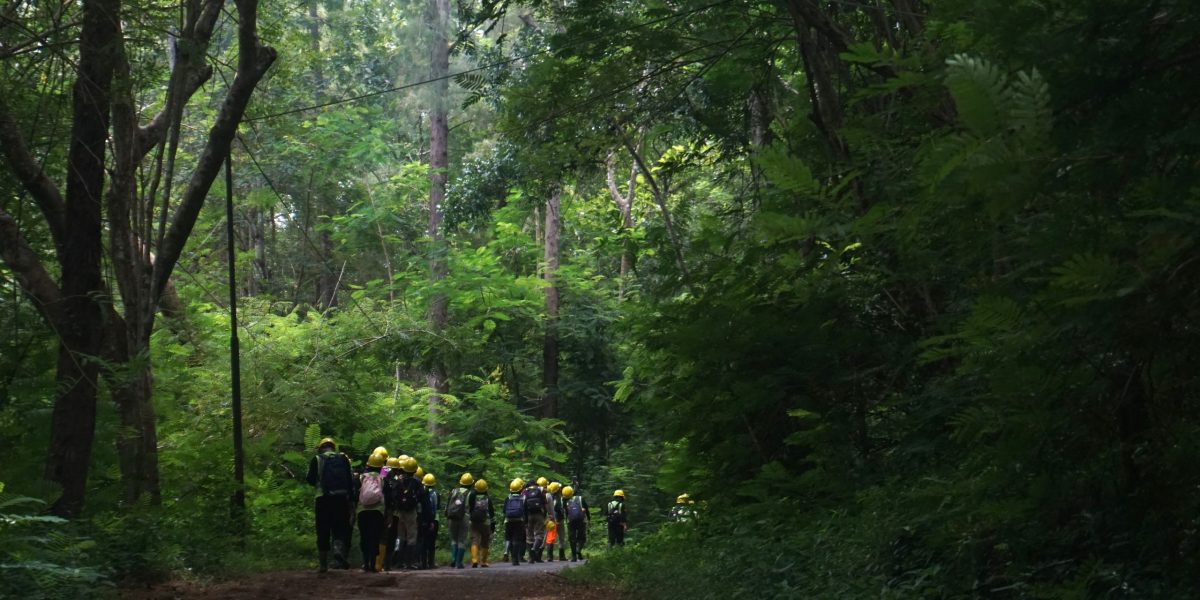
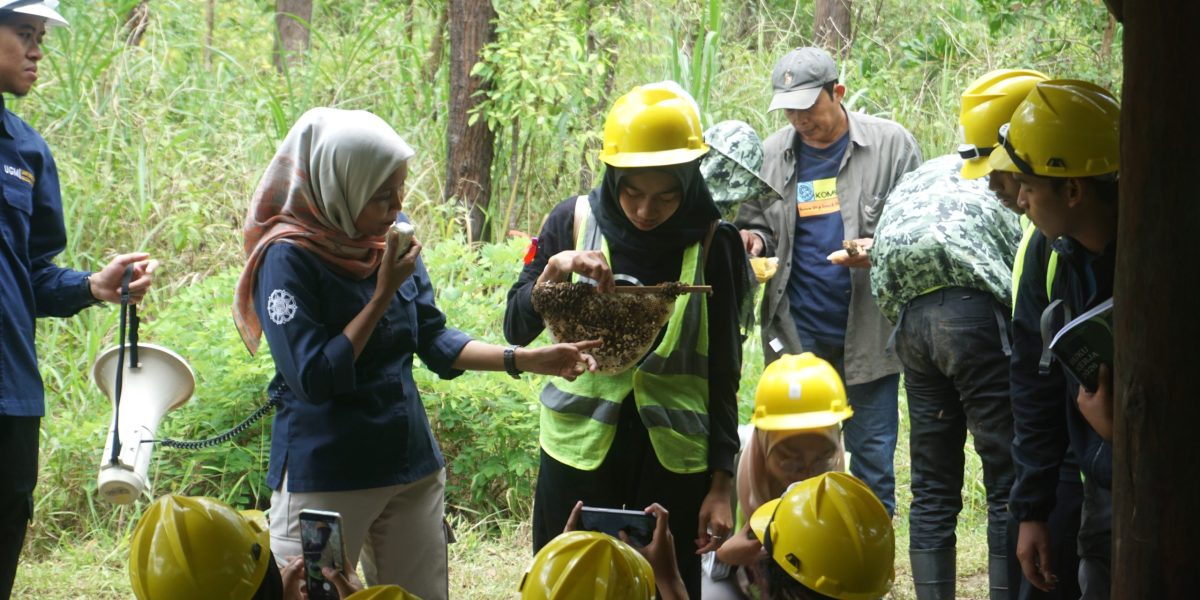
Fakultas Kehutanan UGM melalui program pengabdian kepada masyarakat oleh Magister Ilmu Kehutanan telah melaksanakan pelatihan dengan tema “PENGENALAN JAMUR KARAT INFASIF Austropuccinia psidii DAN PENANGANANNYA “ di Kawasan Taman Nasional ...
Baca Selengkapnya
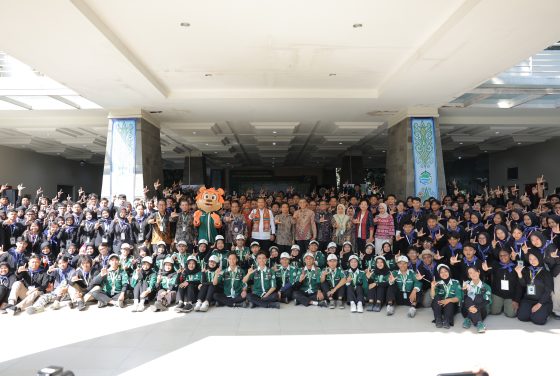
Yogyakarta, 6 Agustus 2025 – Fakultas Kehutanan Universitas Gadjah Mada (UGM) menyelenggarakan kegiatan Sharing Alumni yang menghadirkan Wakil Menteri Kehutanan Republik Indonesia, Rohmat Marzuki, S.Hut., alumni Fakultas Kehutanan UGM angkatan ...
Baca Selengkapnya
Agenda
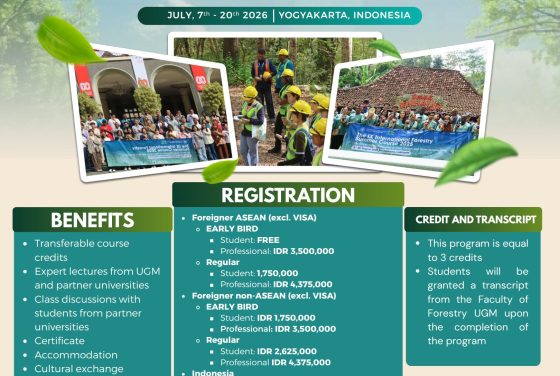
Under the theme "Forest for Life: Managing Ecosystem Services in a Changing Climate", we warmly invite students and professionals from around the world to join us at Universitas Gadjah Mada, ...
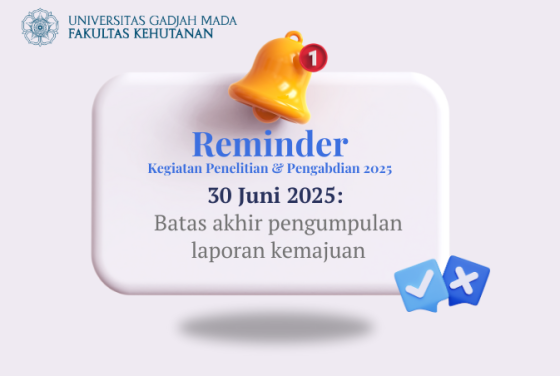
Diberitahukan kepada Bapak/Ibu Ketua Kegiatan Penelitian dan Pengabdian Tahun 2025 Fakultas Kehutanan UGM, sesuai dengan tata waktu Penelitian dan Pengabdian kepada Masyarakat tahun 2025 pada tanggal 30 Juni 2025 Bapak/Ibu ...
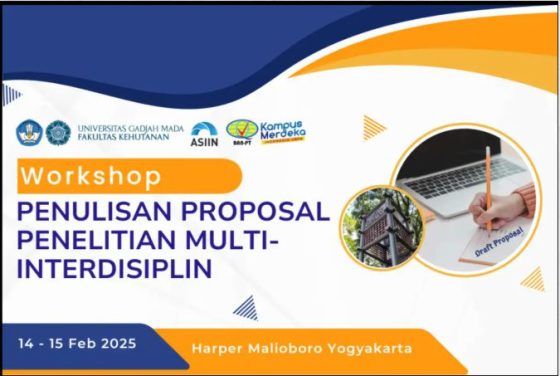
Workshop Penulisan Proposal Penelitian Multi-interdisiplin
14 February 2025Pengumuman
Kami informasikan bahwa berdasarkan tata waktu kegiatan Penelitian dan Pengabdian Fakultas Kehutanan UGM tahun anggaran 2026, melalui surat ini kami mohon kepada Ketua Peneliti dan Ketua Kegiatan Pengabdian kepada Masyarakat ...
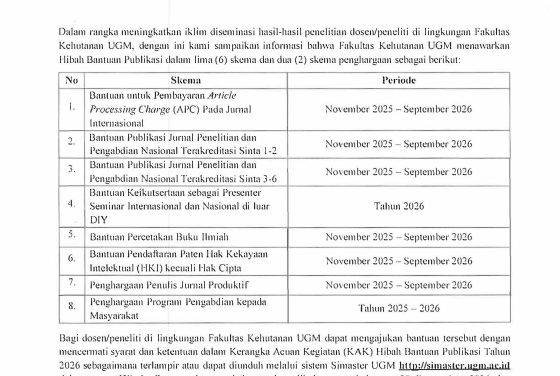
Tawaran Bantuan Publikasi Tahun 2026
20 February 2026
Kepada seluruh Staf Pendidik Fakultas Kehutanan Universitas Gadjah Mada, dalam meningkatkan iklim diseminasi hasil-hasil penelitian di lingkungan Fakultas Kehutanan Universitas Gadjah Mada, dengan ini kami sampaikan informasi bahwa Fakultas Kehutanan ...
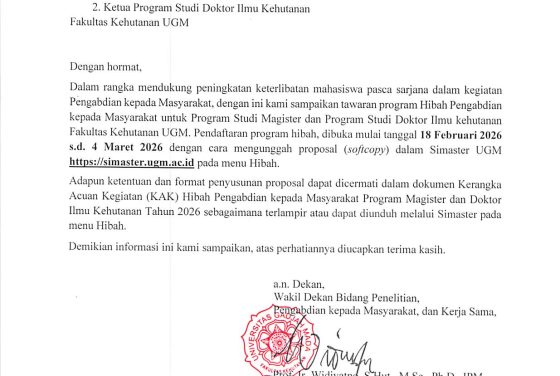
Hibah Pengabdian Kepada Masyarakat Program Studi Doktor dan Magister Tahun Anggaran 2026
18 February 2026
Link Dokumen Hibah: Download
Beasiswa dan Lowongan
Dear colleagues, The Government of Canada, through EduCanada has recently opened applications for the Canada-ASEAN Scholarships and Educational Exchanges for Development (SEED). As you may know, this is a scholarship ...
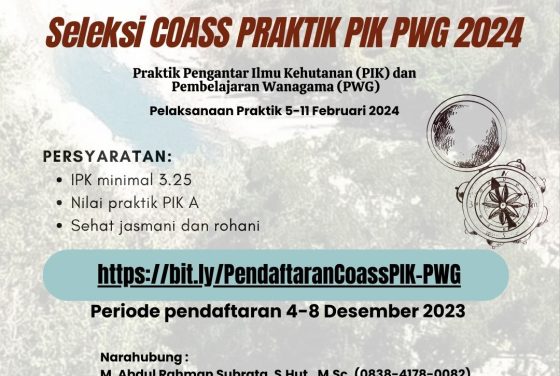
Seleksi Co Ass Praktik PIK PWG 2024
04 December 2023
[ Seleksi Co Ass Praktik PIK PWG 2024 ] Persyaratan: 1. IPK minimal 3.25 2. Nilai Praktik PIK: A 3. Sehat jasmani dan rohani Periode Pendaftaran mulai tanggal 4 s.d ...
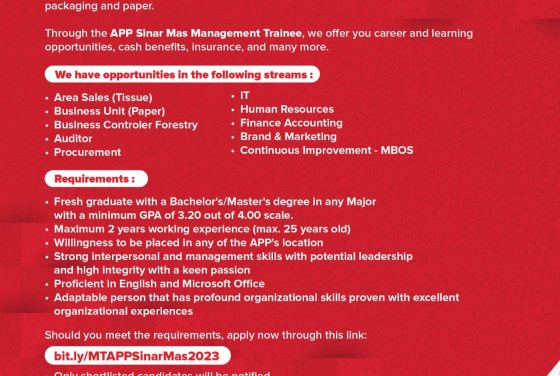
Young Talent Program APP Sinar Mas Management Trainee
09 February 2023
Through The APP Sinar Mas Management Trainee, we offer you career and learning opportunities, cash benefits, insurance, and many more.